
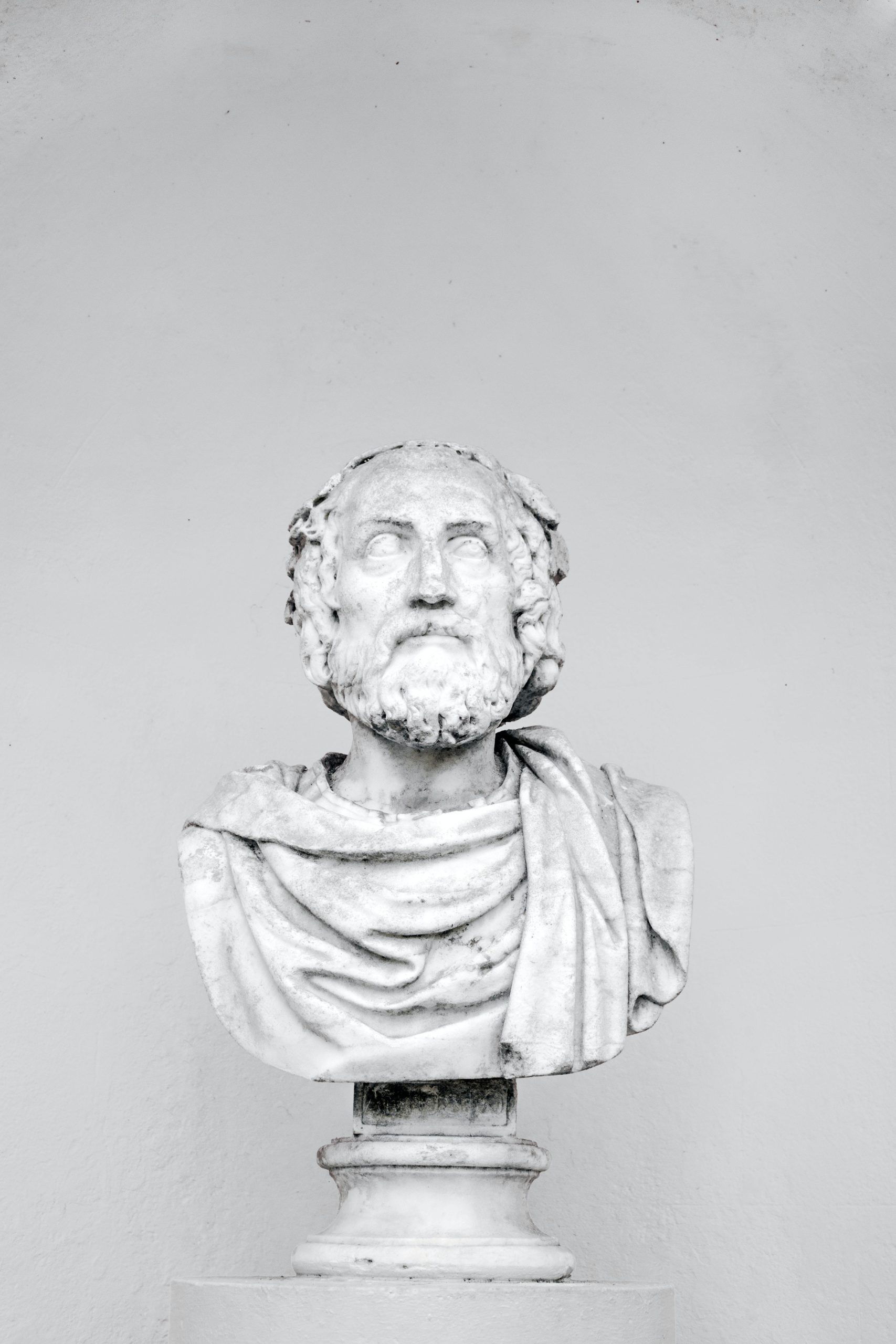
In an age of quick answers, hot takes, and endless scrolling, the ability to think on your own has become more valuable than ever. One of the most powerful tools for developing clear, independent thinking comes from ancient Greece: Socratic questioning. Rather than providing answers, this method focuses on asking more thoughtful questions that challenge assumptions, reveal contradictions, and lead to deeper understanding.
Therapies like Cognitive Behavioral Therapy (CBT) use similar techniques to help people challenge unhelpful thought patterns, showing how timeless this method truly is.
What Is Socratic Questioning?
Named after the philosopher Socrates, who believed that wisdom begins with recognizing how little we truly know. Instead of lecturing or persuading others, Socrates engaged others in dialogue, using carefully structured questions to help them examine their beliefs.
The goal was not to “win” an argument, but to arrive at the truth through critical thinking and self-reflection.
The Purpose Behind the Questions
Socratic questioning is designed to slow down thinking and expose hidden assumptions. Many of our beliefs are inherited from culture, authority, or habit. By questioning them, we gain the opportunity to decide whether they are actually right or just familiar.
At its core, this approach helps us:
- Clarify vague or confusing ideas
- Test the accuracy of our beliefs
- Explore alternative perspectives
- Identify logical gaps or contradictions
- Think more independently and ethically
Types of Socratic Questions
Socratic questioning often follows a logical progression. Some common categories include:
1. Clarifying questions
These help define what someone really means. for example
- What do you mean by that?
- Can you give an example?
- How does this relate to the issue we are discussing?
2. Probing assumptions
These uncover what is being taken for granted. For example
- What are you assuming here?
- Is that always true?
- Why do you believe this assumption holds?
3. Questioning evidence and reasons
These examine the support behind a belief. For example
- What evidence supports this idea?
- How do you know this is true?
- Are there facts that challenge this view?
4. Exploring alternative viewpoints
These open the door to other perspectives. For example
- How might someone disagree with you?
- What would someone with a different background think?
- Is there another way to interpret this?
5. Examining implications and consequences
These look at where the idea leads.For example
- If this is true, what follows?
- What are the long-term consequences?
- How might this affect others?
Socratic Questioning in Everyday Life
Socratic questioning isn’t limited to philosophy study. It’s a practical tool you can use daily—especially on yourself. When facing a strong emotion or difficult decision, asking thoughtful questions can bring clarity.
For example:
- Is this belief helping me or harming me?
- What facts am I ignoring?
- Am I reacting, or reasoning?
Why It Still Matters
In a world filled with misinformation and polarized thinking, Socratic questioning promotes humility and intellectual honesty. It encourages curiosity over certainty and dialogue over debate.
Rather than telling us what to think, Socratic questioning teaches us how to think—and that may be its greatest strength.
Final Thoughts
Socrates famously said, “The unexamined life is not worth living.” Socratic questioning gives us a way to examine our lives thoughtfully and courageously. By learning to ask better questions, we don’t just gain better answers—we gain deeper wisdom.
Sometimes, the most powerful insight begins not with a statement, but with a question.
Share Now with people

Discover more from Life In Full Circle
Subscribe to get the latest posts sent to your email.