

Among all the ideas associated with Socrates, none is more enduring than the command “Know thyself.” Inscribed at the Temple of Apollo at Delphi and echoed throughout Socratic philosophy, the phrase captures what Socrates believed to be the starting point of all wisdom.
When Socrates says, “To know...

Epicurus is often misunderstood. His name is casually associated with indulgence, pleasure-seeking, and escape from responsibility. Yet few philosophers were as disciplined, sober, and psychologically perceptive as Epicurus. For him, philosophy was not speculation—it was therapy.
One quote attributed...

Diogenes of Sinope, the most notorious of the Cynic philosophers, had little patience for social convention, public approval, or wounded pride. Living in deliberate poverty, mocking authority, and exposing hypocrisy wherever he found it, Diogenes embodied his philosophy as much as he argued for it.
Among...
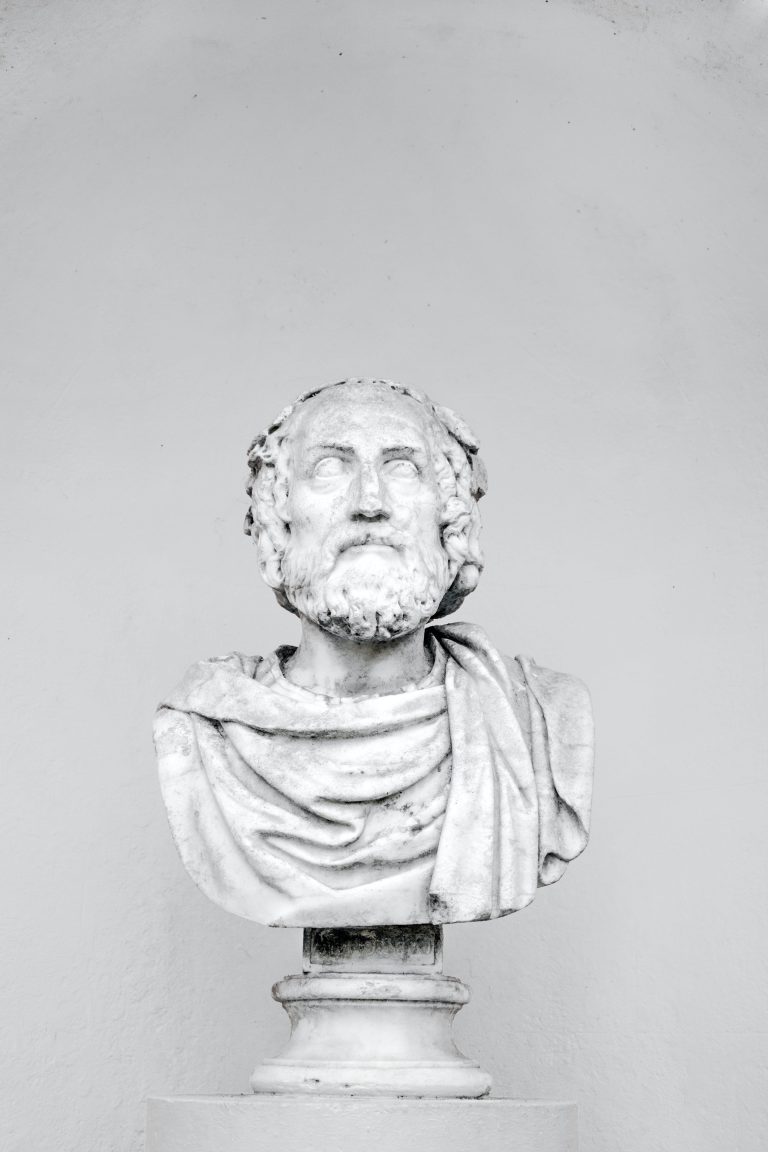
Words shape the world long before actions do. They create reputations, provoke emotions, justify violence, and inspire hope. Long before the age of social media, gossip, and nonstop commentary, Socrates posed a question that cuts to the heart of ethical communication:
“If what you want to tell me is...

Among the Stoic philosophers of ancient Rome, Seneca stands out for his psychological precision. In De Ira (On Anger), he delivers one of the most penetrating analyses of anger ever written. Unlike many moralists who treat anger as a momentary weakness or even a justified response, Seneca regards it...

Few statements in Western philosophy are as deceptively simple—and as deeply challenging—as Socrates’ claim that “no one is wrong on purpose.” At first glance, the idea sounds naïve. History and daily life appear full of cruelty, selfishness, and deliberate harm. Surely people lie, cheat, exploit, and...
Anger feels urgent. It demands immediate expression, quick judgment, and fast action. The Stoics understood this danger well, which is why the Roman philosopher Seneca famously wrote, “Delay is the best remedy for anger.” Although written nearly two thousand years ago, this insight remains relevant in...
In an age of quick answers, hot takes, and endless scrolling, the ability to think on your own has become more valuable than ever. One of the most powerful tools for developing clear, independent thinking comes from ancient Greece: Socratic questioning. Rather than providing answers, this method focuses...
In a world filled with constant notifications, endless comparisons, and daily uncertainty, many people are turning to an ancient philosophy for guidance: one idea from ancient philosophy that is getting a lot of attention is Stoicism. which is Far from being about suppressing emotions or living a cold,...

There are moments in life when you feel stuck—caught in a pattern you can’t quite break, or unsure of what the “next step” should even look like. In therapy, coaching, or personal reflection, people often focus on the problem: what’s wrong, why it’s happening, who caused it, and how long it has been...
