
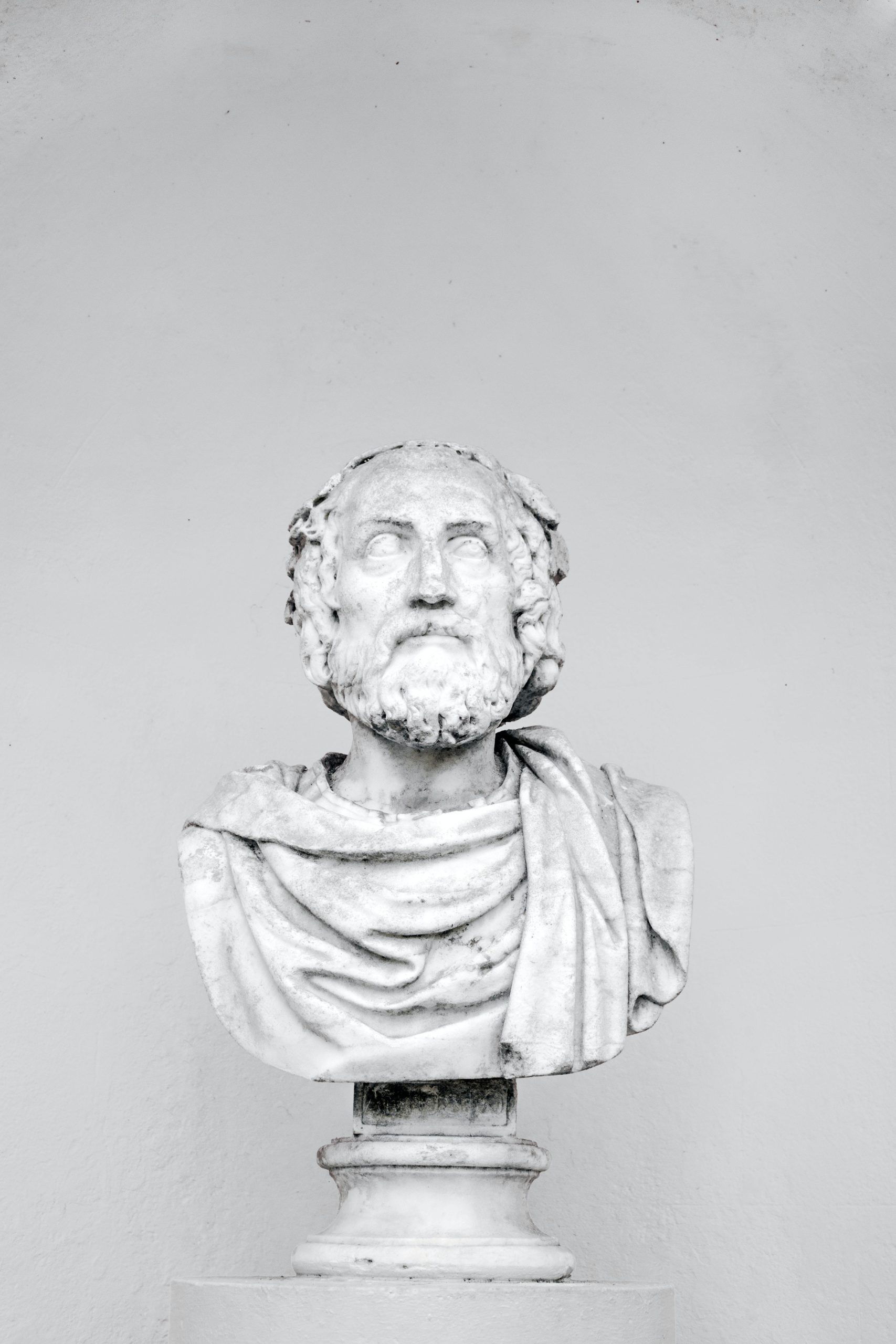
Words shape the world long before actions do. They create reputations, provoke emotions, justify violence, and inspire hope. Long before the age of social media, gossip, and nonstop commentary, Socrates posed a question that cuts to the heart of ethical communication:
“If what you want to tell me is neither true, nor good, nor even useful, then why tell it to me at all?”
This deceptively simple challenge is not merely about politeness or restraint. It is a moral framework for speech—one that forces us to examine our motives, our responsibilities, and the impact our words have on others.
In a culture saturated with noise, Socrates’ question feels more urgent than ever.
Speech as a Moral Act in Socratic Philosophy
For Socrates, speech was never neutral. Dialogue was the primary tool through which human beings pursued truth and cultivated virtue. Every conversation carried ethical weight because it shaped belief—and belief shaped action.
In Socratic philosophy, language is not just expressive; it is formative. To speak carelessly is to participate in moral corruption, both of oneself and of the community.
This is why Socrates was so deeply concerned with how and why people speak.
The Three Filters: Truth, Goodness, Usefulness
Socrates’ quote outlines what later thinkers have called the three filters of ethical speech. Before saying something, one should ask:
- Is it true?
- Is it good?
- Is it useful?
These are not rhetorical questions. Each serves a distinct moral purpose.
Speech that passes all three filters contributes to wisdom and human flourishing. Speech that fails them corrodes trust, dignity, and understanding.
Truth: The Foundation of Meaningful Speech
Truth is the first and most fundamental requirement. Without it, speech becomes manipulation.
Socrates believed that falsehood harms not only the listener but the speaker. To lie is to distort one’s own soul, aligning oneself with ignorance rather than knowledge.
Even statements that are partially true can fail this filter if they are exaggerated, misleading, or stripped of context. Socratic truthfulness demands intellectual honesty, not technical accuracy alone.
Truth, in this sense, is not about winning arguments—it is about respecting reality.
Goodness: The Ethical Direction of Words
A statement may be true and still fail the second filter: goodness.
To ask whether something is good is to ask whether it uplifts, dignifies, or improves the moral atmosphere. Gossip often fails here. Even when true, it frequently serves no purpose other than entertainment or self-elevation.
Socrates was deeply concerned with how words affect character. Speech that humiliates, inflames hatred, or encourages vice cannot be considered ethically neutral, even if it is factual.
Goodness asks not “Is this accurate?” but “What does this do to us?”
Usefulness: Speech That Serves a Purpose
The third filter—usefulness—is perhaps the most overlooked.
Many conversations are filled with statements that are neither false nor malicious, yet add nothing of value. Complaints without solutions, criticism without guidance, opinions without insight—these exhaust rather than enlighten.
For Socrates, usefulness is tied to growth. Does the statement promote understanding? Does it help someone act more wisely?
If not, silence may be the more virtuous choice.
Why People Speak Without Passing the Filters
If these filters are so reasonable, why are they so often ignored?
Socrates would likely point to motives:
- Desire for attention
- Need for superiority
- Fear of silence
- Pleasure in judgment
Much speech is not driven by concern for truth or goodness, but by emotional impulse. Words become outlets for ego rather than instruments of wisdom.
This is why Socratic philosophy places such emphasis on self-examination. Without awareness of motive, speech becomes reckless.
Gossip as a Case Study in Unethical Speech
Gossip is perhaps the clearest violation of Socrates’ principle.
It often claims truth but lacks goodness and usefulness. It spreads information that diminishes others while offering no benefit beyond momentary bonding or amusement.
Socrates would argue that gossip trains the soul toward judgment rather than understanding. Over time, it reshapes character, making cruelty feel normal and suspicion feel wise.
Silence, in this context, is not weakness but discipline.
The Courage to Remain Silent
Socrates understood that restraint requires courage. Speaking is easy; silence invites discomfort.
Choosing not to speak can feel like surrendering relevance or influence. Yet Socrates saw silence as an active ethical stance—a refusal to participate in ignorance.
Silence, when chosen deliberately, creates space for reflection and learning.
Speech and Social Responsibility
Speech does not occur in isolation. Words ripple outward, shaping collective attitudes and norms.
Socrates lived in a city where public discourse influenced political decisions, trials, and reputations. He recognized that careless speech could destabilize justice itself.
Today, when words travel instantly and globally, this insight is magnified. Speech that fails the filters of truth, goodness, and usefulness spreads faster than ever.
The ethical burden of speaking has never been greater.
Criticism and the Socratic Standard
Socrates was not opposed to criticism. On the contrary, his life’s work involved challenging false beliefs.
But Socratic criticism passes all three filters:
- It aims at truth, not humiliation
- It seeks improvement, not dominance
- It serves understanding, not ego
Criticism that exists merely to display intelligence or superiority fails the test.
Education, Dialogue, and Moral Growth
For Socrates, dialogue was a tool for moral education. But dialogue only works when participants respect these ethical boundaries.
Conversations grounded in truth, goodness, and usefulness cultivate humility and wisdom. Conversations driven by vanity or hostility entrench ignorance.
The quality of a society’s discourse reflects the quality of its character.
Applying the Quote to Modern Life
Socrates’ question offers a practical guide for everyday speech:
- Before posting online
- Before repeating a story
- Before offering unsolicited opinions
- Before criticizing others
Pausing to apply the three filters transforms communication from reflex to reflection.
This small pause can prevent large harm.
Why This Teaching Feels So Rare
Modern culture often rewards speed over depth, volume over substance, outrage over understanding. In such an environment, Socratic restraint can feel countercultural—even threatening.
Yet Socrates himself was executed not for silence, but for insisting that words matter.
His quote reminds us that freedom of speech does not eliminate responsibility for speech.
Conclusion: Speech Worthy of a Wise Life
Socrates’ question—why tell it at all?—is ultimately a challenge to live intentionally.
To speak only what is true, good, and useful is not to withdraw from the world, but to engage it wisely. It demands humility, patience, and care for the souls of others.
In a world overflowing with words, wisdom may begin not with saying more, but with saying less—and meaning it more.
Socrates teaches us that silence is not the absence of thought, but often its highest expression.
Share Now with people

Discover more from Life In Full Circle
Subscribe to get the latest posts sent to your email.